

TLDR
- 37% of Brazilians plan to bet on the 2026 FIFA World Cup, while 77% intend to consume the event in some form
- Match outcome bets are the most popular category at 51%, followed by goal totals at 26%
- Free-to-air TV remains the top viewing method at 73%, with streaming at 31%
- The expanded 48-team tournament runs June 11 to July 19 across the US, Canada, and Mexico
- Spain is an early betting favorite to win, with Kylian Mbappé favored for top scorer
A new study shows that more than a third of Brazilians are planning to place bets on the 2026 FIFA World Cup. The survey, conducted by research firm Kantar in November 2025, polled 600 people across Brazil.
According to the data, 37% of respondents said they intend to bet on the tournament. A much larger share, 77%, said they plan to engage with the event in some capacity.
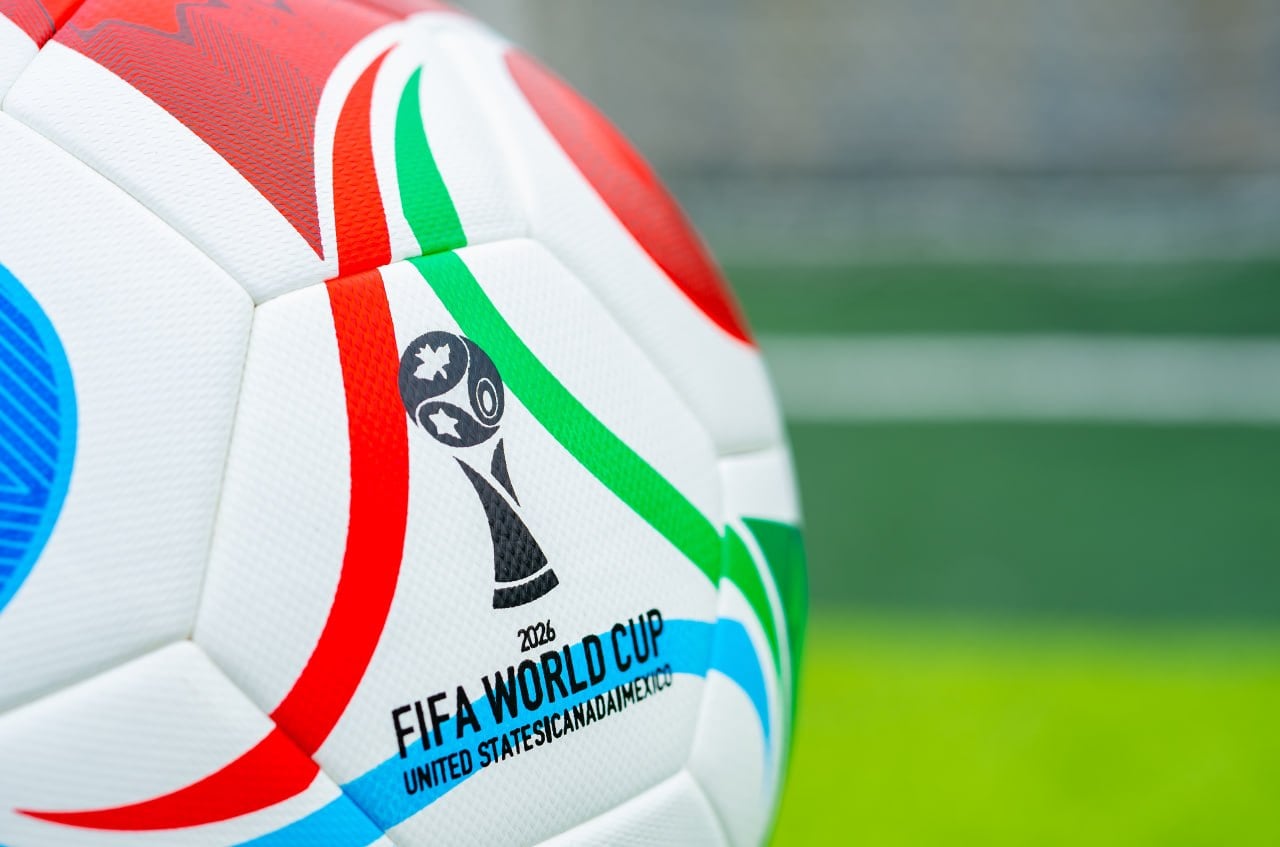
The World Cup is set to run from June 11 to July 19, 2026. It will be hosted across the United States, Canada, and Mexico.
This year’s tournament features an expanded format with 48 national teams, up from the traditional 32. Organizers expect a global audience of up to 5 billion viewers.
The expansion makes it one of the largest sporting events in history. That scale is drawing attention from betting operators and brands worldwide.
Match Outcome Bets Lead the Way
Among those planning to bet, match outcomes are the most popular category. The survey found that 51% of prospective bettors prefer wagering on who wins or loses individual games.
Bets on the number of goals scored came in second at 26%. Tournament winner bets attracted 18% of those surveyed.
More detailed match outcome markets drew 10% interest. Top scorer bets accounted for 8% of responses.
The preference for match outcomes suggests that most bettors favor straightforward markets. These types of wagers are also the most widely offered by operators.
How Brazilians Plan to Watch
Free-to-air television remains the dominant way Brazilians plan to watch the World Cup. A total of 73% of respondents chose this as their preferred viewing method.
Pay TV came in second at 39%. Streaming services followed at 31%.
Social media platforms were selected by 23% of respondents. Radio trailed at just 4%.
The data shows that viewing habits now extend well beyond the matches themselves. Some 68% of respondents said they plan to follow news coverage of the event.
Half of those surveyed said they would engage with memes and social media discussions. Highlight videos attracted 38% interest, and match statistics drew 32%.
This points to a multi-channel consumption pattern where fans are engaging with the tournament through several formats at once. Television still leads, but digital platforms play a growing role.
The Kantar study did not disclose its margin of error or detailed demographic breakdowns. The sample size of 600 people is relatively small for a country of over 200 million.
Still, the findings reflect broader patterns in how sports fans in Brazil interact with major tournaments. Betting has become a more visible part of the sports experience in the country.
On the betting markets themselves, early odds from major operators list Spain as one of the favorites to win the tournament. French forward Kylian Mbappé is among the top picks for the Golden Boot.
As the June 11 kickoff approaches, betting activity across Brazil is expected to increase further in the coming months.
