

TLDR
- Brazil signed the Macolin Convention on October 30 in Strasbourg, France.
- It is the first Latin American country and the 44th signatory to the treaty.
- Signing is not ratification, so Brazil must complete a domestic process first.
- The treaty does not change Brazil’s local sports betting laws.
- A sports integrity contract with Sportradar was suspended after new betting restrictions.
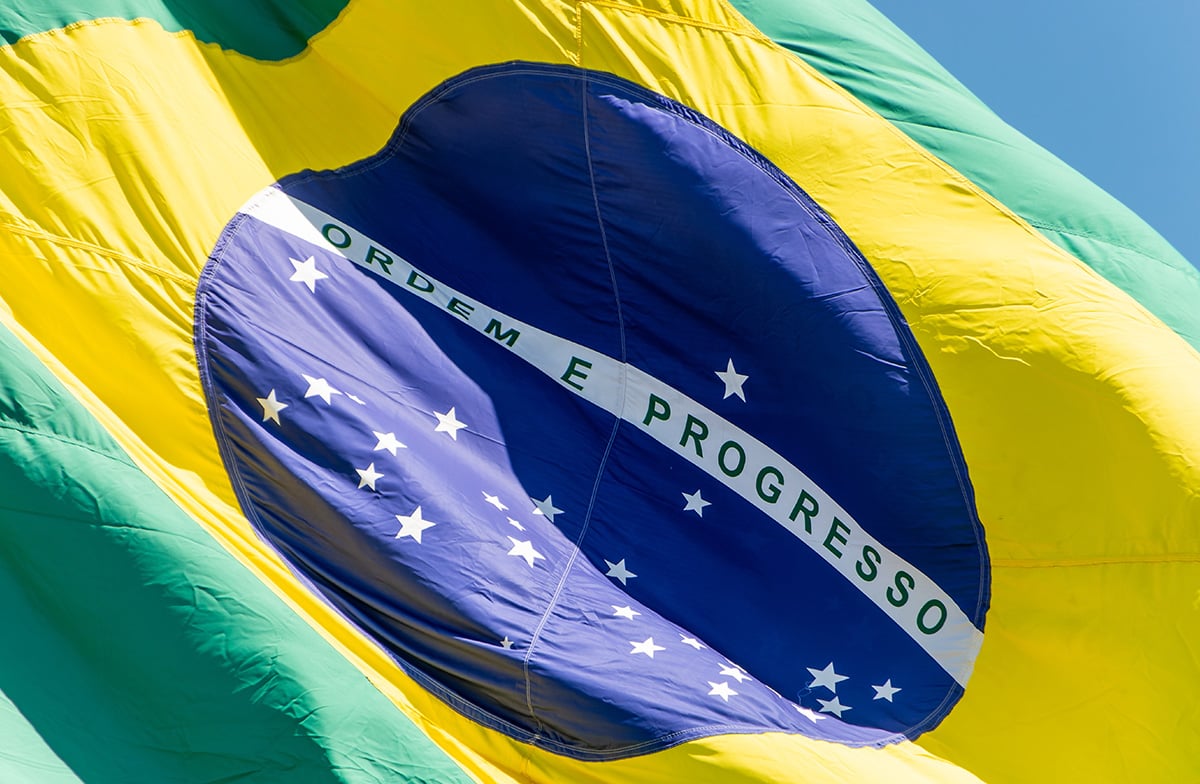
Brazil has signed the Macolin Convention, but the treaty will not take effect in the country until it passes through a domestic approval process. The signing makes Brazil the first Latin American country to join the agreement against match-fixing.
The signing took place on October 30 at the Council of Europe’s headquarters in Strasbourg, France. Brazil became the 44th signatory to the treaty.
Brazilian Ambassador to France and Monaco Ricardo Neiva Tavares signed the document. Council of Europe Secretary General Alain Berset attended the ceremony.
Signature Is Not Ratification
The signing is a formal step, but it does not count as ratification. Brazil must complete its own domestic procedure before the treaty applies under its laws.
Four ministries led the effort: Sport, Finance, Justice and Public Security, and Foreign Affairs. Brazil first said it wanted to join the convention in September 2025.
The Macolin Convention was created in 2014 and has been in force since September 2019. It is the first legally binding international agreement aimed at stopping the manipulation of sports competitions.
The treaty sets up ways for governments, police, regulators, sports bodies and betting operators to work together. The goal is to spot suspicious transactions, share information and investigate schemes, including those that cross borders.
Countries that join are expected to create or name a national sports integrity platform. These bodies collect information on suspicious activity, review alerts and send cases to the right agencies.
The agreement also covers illegal betting, protection for whistleblowers and penalties for people involved in fixing matches. Signatories include Portugal, France, Italy, Spain and Switzerland, along with non-member countries Australia and Morocco.
The Brazilian Football Confederation (CBF) backed the move early. In September 2025, it publicly supported Brazil joining the convention.
The CBF pointed to its Integrity Unit, which it set up in 2023 to prevent problems tied to sports betting. CBF Integrity Officer Eduardo Gussem said the unit aims to build public trust in football and protect fair competition.
In July 2025, CBF President Samir Xaud met with Federal Police Director-General Andrei Rodrigues. Xaud called for institutions to work together against match-fixing in Brazilian football.
Betting Rules Complicate Integrity Work
Brazil already has its own national plan against match-fixing. In March 2026, it launched the National Policy for the Prevention and Fight Against Sports Competition Manipulation, known as PNPEMR.
The Ministry of Sport coordinates the policy with the Ministries of Finance and Justice and Public Security, plus the Federal Police. It has four parts: regulation, prevention, monitoring and supervision, and enforcement.
Its measures include standard reporting steps, training for public officials and the use of data on suspicious betting activity. The Macolin Convention could support these efforts, especially in cases that cross national borders.
The signing follows Provisional Measure No. 1394/2026, which banned fixed-odds betting in Brazil. The convention does not change Brazil’s local laws on sports betting.
The betting restrictions have already affected integrity programs in the regulated sector. The National Association of Games and Lotteries (ANJL) had reached a sports integrity agreement with Sportradar after working with the Ministry of Sport, but it had to suspend that contract.
