

TLDR
- KB Securities expects Lotte Tour Development’s September quarter earnings to fall short of forecasts.
- Jeju Dream Tower’s club membership rose to 166,000 in the third quarter, up from 149,000 in the second quarter.
- Spending per visitor has not kept pace with rising attendance, which an analyst linked to policy changes in China.
- Average daily revenue per gaming table is about KRW13 million, compared with KRW20 million in Macau.
- September set a new visitor record, but casino revenue fell sharply because of lower hold.
Lotte Tour Development is expected to report weaker than forecast earnings for the September 2026 quarter, according to KB Securities. Even so, the Korean financial group says the company’s Jeju Dream Tower still has room to grow.
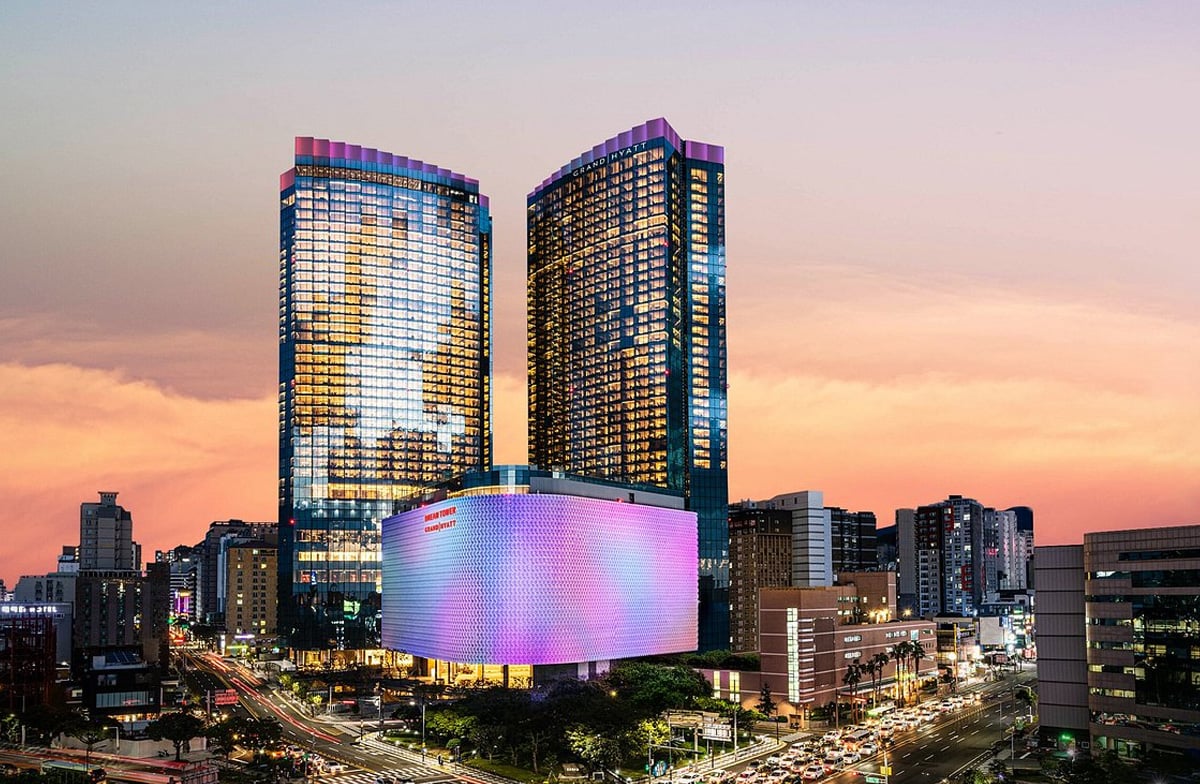
The property runs a foreigner-only casino in Jeju City, South Korea. KB Securities pointed to rising visitor numbers and the chance to raise gaming table revenue as reasons for its view.
The revised outlook also takes into account the company’s VIP rolling table business. That part of the operation has not yet produced strong results.
China Policy Changes Weigh on Visitor Spending
More people are visiting the casino, but the amount each visitor spends has not kept pace. Choi, the KB Securities analyst behind the report, linked this trend to policy changes in China.
The figure in question is known as drop amount. It tracks the cash customers exchange for gaming chips.
At Jeju Dream Tower, growth in drop per guest has not matched the rise in attendance. Choi’s assessment separates the number of people coming through the door from how much each person spends.
A Chinese crackdown on undeclared overseas income is among the risks built into the new forecasts. Together with the weak VIP rolling results, it led to a more cautious view of near-term earnings.
Membership and Flight Routes Support Visitor Outlook
Choi still expects visitor numbers to keep climbing. Club membership reached 166,000 in the third quarter, up from 149,000 in the previous quarter.
He also noted that casino patrons currently make up only 50% of hotel occupancy. That leaves room to bring in more gaming customers.
Air travel could also play a role. Choi expects more flights between Jeju and Macau, along with new routes from China, which could support further growth in arrivals.
In his view, attendance can keep rising even while spending per visitor stays under pressure. This outlook is separate from his near-term earnings forecast.
KB Securities also sees room for improvement in the VIP rolling program. Choi put average daily revenue per gaming table at about KRW13 million.
That compares with an average of KRW20 million per table in Macau. Choi cited the gap as evidence the property can still grow, even though its VIP business has yet to deliver strong results.
This measure looks at the revenue each table brings in per day. It is different from visitor counts or the cash exchanged for chips.
Jeju Dream Tower has posted a series of all-time highs in visits and casino sales over the past 18 months. September added another visitor record to that run.
However, the higher turnout did not stop a sharp drop in casino revenue for the month. Lower hold contributed to the decline, according to earlier reporting by IAG.
Hold is the share of wagers a casino keeps as winnings. In September, the property welcomed more visitors than ever, but casino revenue still fell sharply.
