

TLDR
- Intercontinental Exchange has committed up to $2 billion in Polymarket, while Kalshi was recently valued at $22 billion in a funding round led by Coatue Management.
- JPMorgan Chase CEO Jamie Dimon said his bank is considering offering prediction market services, and Goldman Sachs CEO David Solomon called the sector “super interesting.”
- Courts and regulators are still debating whether prediction markets are financial instruments or gambling products, with about 90% of Kalshi’s volume tied to sports contracts.
- At least a dozen states have introduced bills to limit prediction markets, and 40 Democrats signed a letter urging government training on insider trading in the space.
- A Truist Securities survey found 60% of respondents believe insider trading is happening on prediction markets, raising questions about platform integrity.
Wall Street’s biggest names are racing to get into prediction markets. But their future depends on a question no one has fully answered yet: are these contracts financial products or gambling?
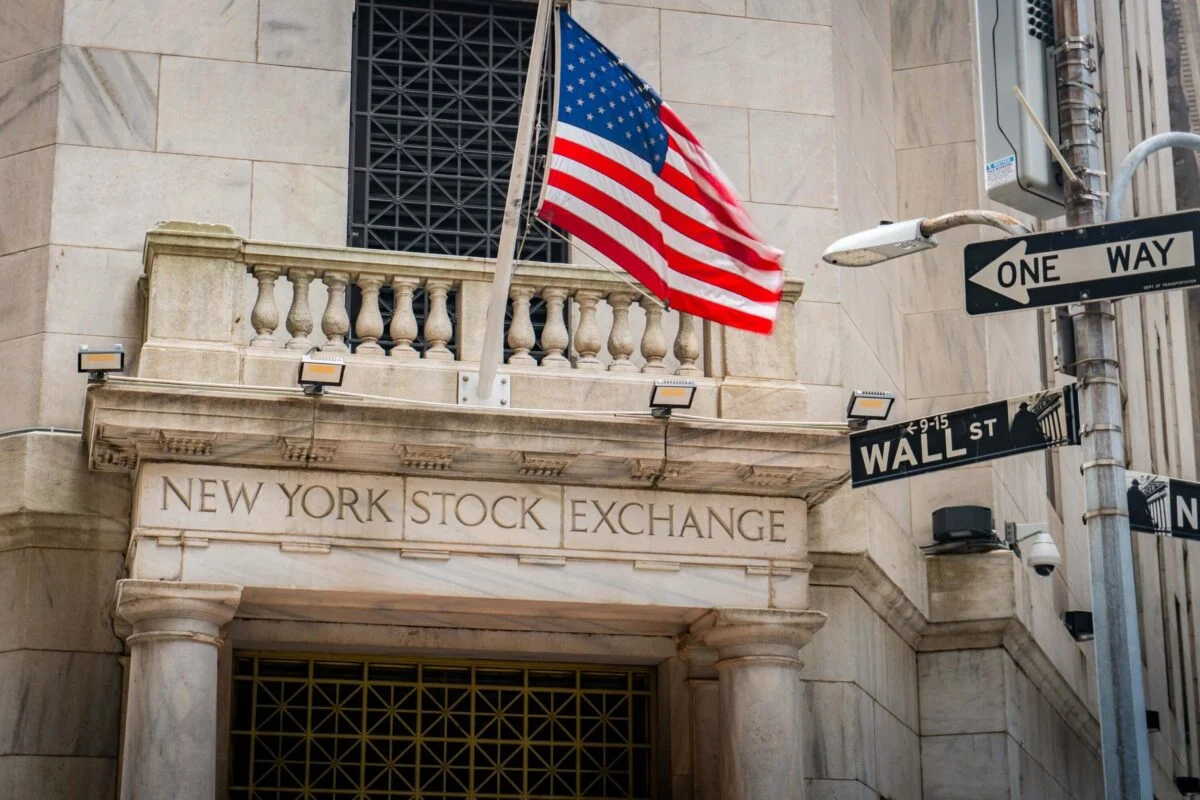
Intercontinental Exchange, the parent company of the New York Stock Exchange, announced a further $600 million investment in Polymarket last week. ICE has now committed up to $2 billion in the platform, following an initial $1 billion stake taken in October 2025.
Weeks before that, Coatue Management led a funding round for Kalshi that valued the company at $22 billion.
JPMorgan Chase CEO Jamie Dimon told CBS this week that his bank is looking at offering prediction market services to customers. He said any move would exclude sports and politics, and the bank would enforce strict insider trading standards.
Goldman Sachs CEO David Solomon has also expressed interest. During the company’s fourth-quarter earnings call, Solomon called the space “super interesting” and said the firm is spending “a lot of time” evaluating how it might fit into existing business lines.
Fintech platforms are already in. Robinhood, Crypto.com, Coinbase, and Gemini have all entered the prediction market space. Reports suggest Binance is testing similar features.
Trading firms and hedge funds are also building exposure. Jump Trading, Susquehanna International Group, DRW, AQR Capital Management, Millennium Management, and Andreessen Horowitz are all involved through trading, infrastructure, or direct investment.
Major financial media outlets including Bloomberg, Google Finance, and CNBC have started incorporating prediction market data into their platforms.
The Legal Question That Could Make or Break the Industry
Despite the money flowing in, the legal foundation of prediction markets is still unsettled.
If courts classify prediction market contracts as derivatives, platforms could continue operating under federal oversight. That would also shake up the gambling industry and affect states that rely on gambling tax revenue.
If courts classify sports event contracts as gambling, it could wipe out a large share of trading activity. Around 90% of Kalshi’s volume has come from sports-related contracts.
A 2024 federal ruling found that the CFTC had overstepped by trying to ban Kalshi’s political event contracts. The CFTC dropped its appeal in 2025. But no binding appellate precedent was set, leaving the classification of other contracts, especially sports-related ones, open to challenge.
Multiple states have already taken enforcement action against prediction market platforms. At least a dozen states have introduced bills to restrict or ban them.
At the federal level, 40 Democrats in the House and Senate signed a letter this week asking the Trump administration for government-wide training on insider trading in prediction markets.
Integrity Concerns Grow Alongside Valuations
Trust is another problem the sector has to deal with.
A Truist Securities survey found that 60% of respondents believe insider trading is occurring on prediction markets. Unlike traditional financial markets, prediction markets often center on real-world events where information advantages are harder to regulate.
Both Kalshi and Polymarket introduced new policies in March aimed at curbing insider trading and manipulation. How well those policies are enforced remains to be seen.
A poll commissioned by the group Gambling is Not Investing found that most Americans view sports event contracts as gambling. While the poll came from an opposition group, the results point to a perception challenge the industry still faces.
Prediction markets have seen a friendlier federal posture under the Trump administration. Donald Trump Jr. holds advisory roles with both Kalshi and Polymarket and has reportedly invested in Polymarket.
Earlier this week, 40 congressional Democrats called for stronger oversight, signaling that the political debate is far from settled.
