

TLDR
- Iowa Gov. Kim Reynolds signed SF 2289, giving the Iowa Racing and Gaming Commission new tools to pursue unlicensed gambling operators and illegal sweepstakes
- The law allows regulators to issue cease-and-desist orders and seek injunctions against unlicensed operators, taking effect July 1, 2026
- Unlike Indiana, Maine, and Oklahoma, Iowa did not ban sweepstakes casinos outright but instead strengthened existing enforcement authority
- Oklahoma lawmakers overrode Governor Stitt’s veto to pass SB 1589, which outlaws sweepstakes casinos using dual-currency systems
- Several other states including Tennessee and Louisiana have pending legislation targeting sweepstakes casinos, while efforts failed in Florida, Maryland, and others
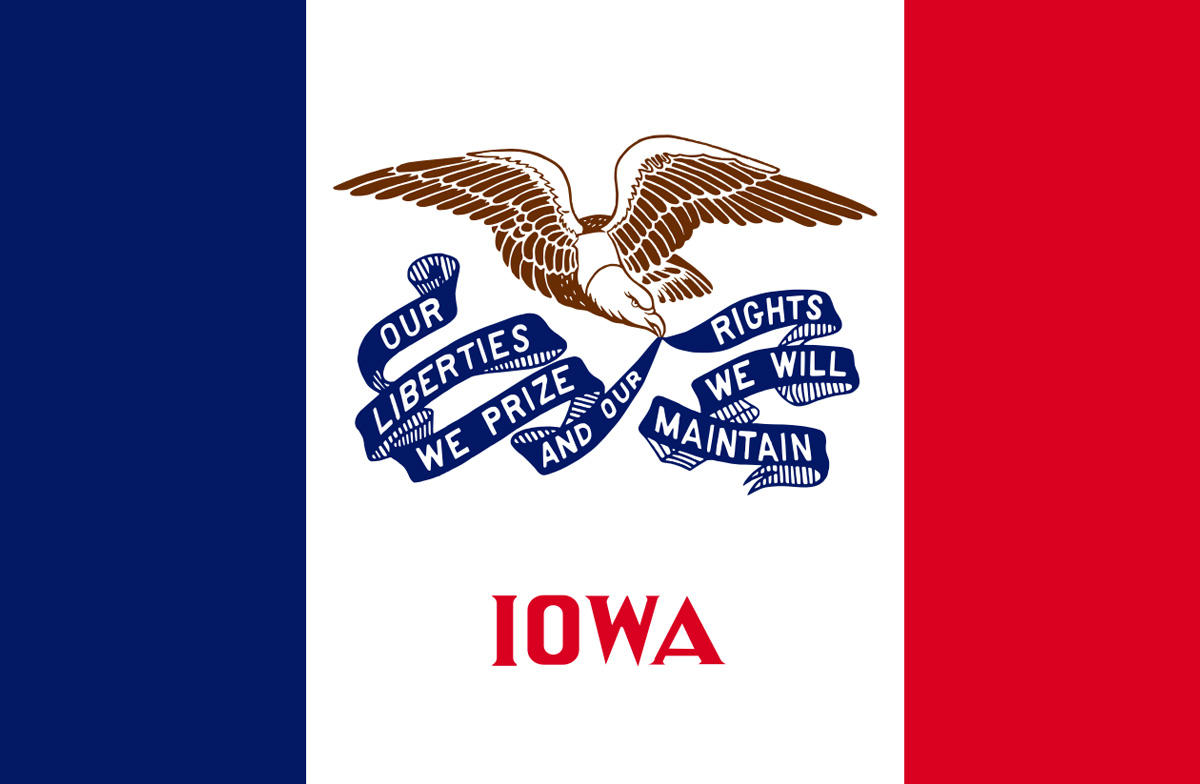
Iowa Gov. Kim Reynolds has signed Senate File 2289 into law, giving state regulators expanded authority to go after unlicensed gambling operators in the state. The law takes effect July 1, 2026.
The new measure gives the Iowa Racing and Gaming Commission the power to issue cease-and-desist orders and seek injunctive relief against anyone offering games of chance, gambling, sports wagering, or illegal sweepstakes without a license.
The bill passed the Iowa Legislature unanimously last month. State regulators had said they lacked the legal tools to pursue illegal gambling operators under existing law.
Iowa Chooses Enforcement Over an Outright Ban
Unlike several other states that have moved to ban sweepstakes casinos directly, Iowa took a different path. The law does not define sweepstakes casinos through dual-currency or multi-currency language.
Instead, it inserts the term “illegal sweepstakes” into state law governing the commission’s enforcement authority. This gives regulators a clearer legal basis to treat such platforms as unlicensed gambling.
The legislation also extends enforcement powers to cover unlicensed pari-mutuel wagering, advance-deposit wagering, and internet fantasy sports contests.
Repeat offenders face serious consequences. Two convictions for unlawful betting will result in a permanent bar from sports wagering and other gambling activities under the commission’s jurisdiction.
The bill also updates tax rules. State income tax must now be withheld on winnings above certain thresholds, including slot machine and sports betting payouts.
Iowa’s approach is closer to what Nevada did in 2025 with SB 256. That law strengthened penalties against illegal gaming and required disgorgement of profits tied to illegal gambling.
After Nevada’s law took effect, almost all sweepstakes casinos exited the state. Iowa’s bill does not go as far, but both laws reflect a similar idea. Regulators may not need a sweepstakes-specific ban if they have enough enforcement power.
Oklahoma Overrides Veto to Ban Sweepstakes Casinos
Meanwhile, Oklahoma has taken a more direct approach. State lawmakers voted to override Gov. Kevin Stitt’s veto of Senate Bill 1589, which outlaws sweepstakes casinos that rely on dual-currency systems.
The law expands the definition of gambling to include online casino games played on computers, phones, tablets, or smart watches. It also broadens the meaning of “representative of value” to cover dual-currency systems where one token is used for play and another can be redeemed for prizes or cash.
Violators now face Class C2 felony charges.
Gov. Stitt had rejected the bill, warning it was “so broad that it criminalizes everyday apps people use for fun.” He also said it “unnecessarily creates a new felony and extends criminal liability to businesses and service providers.”
Lawmakers argued the ban was needed to protect Oklahoma’s gaming framework and honor commitments to tribal partners.
Indiana and Maine have also passed direct sweepstakes prohibition bills this year. Indiana’s HB 1052 defines sweepstakes games as online products that simulate casino or lottery-style games using dual or multi-currency payment systems. Maine’s LD 2007 takes a similar approach.
Tennessee and Louisiana have passed sweepstakes-related legislation through their state legislatures, but both bills still await gubernatorial decisions.
Not every state moved forward this year. Direct prohibition bills and broader enforcement measures failed to advance in Florida, Maryland, Minnesota, Mississippi, Massachusetts, and Virginia.
As of May 2026, Iowa becomes the latest state to act on sweepstakes regulation, joining a growing list of states taking steps to address the sweepstakes casino model through either bans or enforcement tools.
