

TLDR
- Trump declared the CFTC must keep sole authority over prediction markets and block state-level interference
- Minnesota became the first state to pass a law blocking prediction market operators, signed by Tim Walz
- New York AG Letitia James accused crypto firms tied to prediction markets of running unlicensed gambling operations
- Trump and his family have financial ties to crypto ventures and prediction market platforms like Kalshi and Polymarket
- The core legal fight is whether prediction markets are federally regulated financial exchanges or state-regulated gambling
The White House is stepping directly into a growing fight between federal and state governments over who gets to regulate prediction markets.
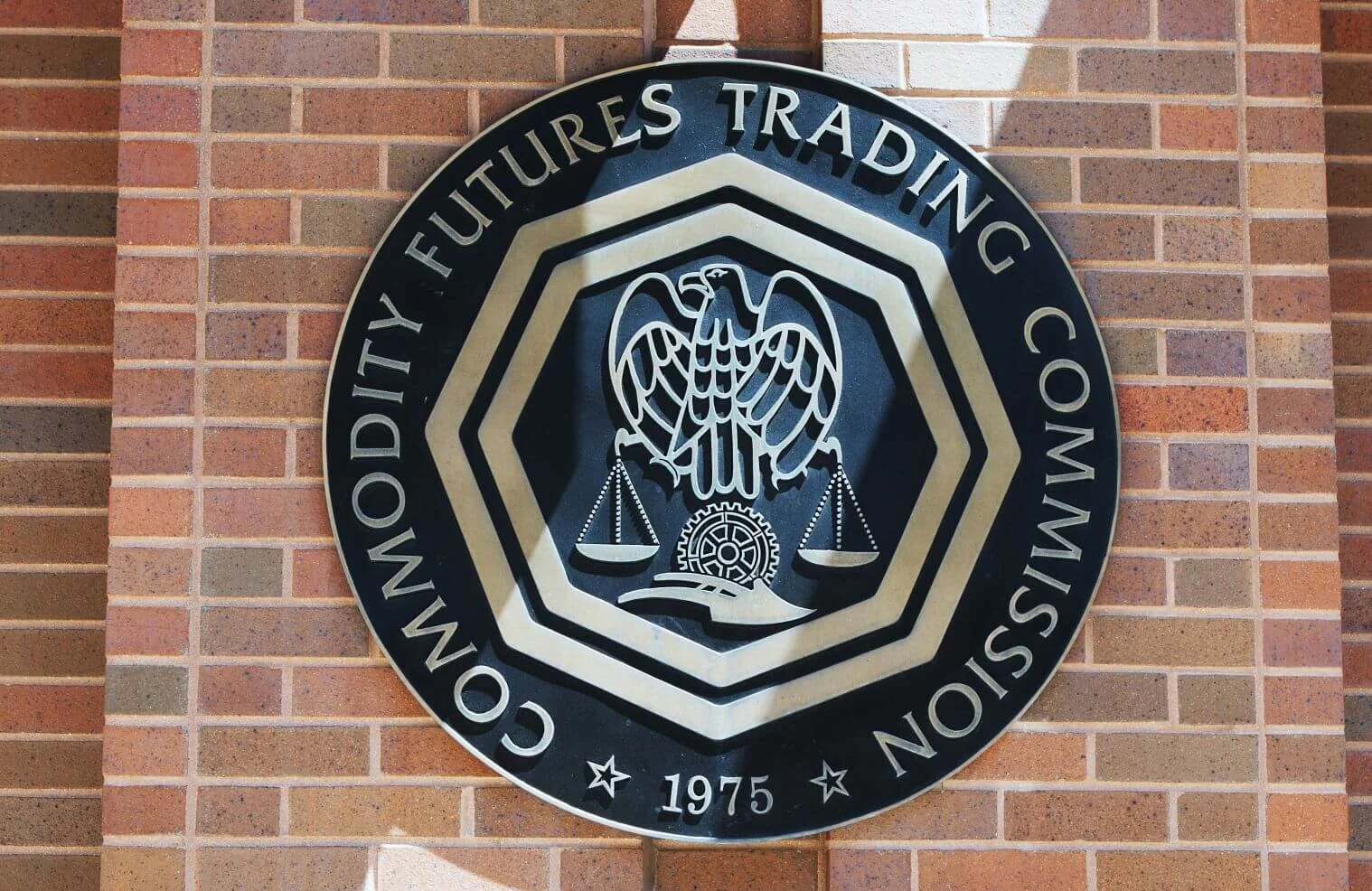
President Donald Trump posted on social media Tuesday morning saying the Commodity Futures Trading Commission should have sole control over the prediction market industry. He argued the platforms should be free to expand without state regulators getting involved.
Trump also repeated his promise to keep the United States at the center of the global cryptocurrency business.
States Push Back With New Laws
The post came just two days after The New York Times published an investigation into how the CFTC has eased pressure on crypto firms and prediction market operators under Trump-aligned leadership. The report said the agency has cut enforcement staff and sided with the industry on key legal questions.
Prediction markets are platforms where users trade contracts based on real-world events. These include elections, economic reports, and sports outcomes. Companies like Kalshi and Polymarket have pushed into mainstream finance and say they operate as federally regulated exchanges.
States see it differently. Many state officials view these platforms as gambling businesses dressed up as financial products.
Minnesota became the first state to pass a law aimed at blocking prediction market operators. Governor Tim Walz signed the legislation last week. The Trump administration responded quickly with legal action claiming federal authority over the matter.
Trump called out Walz by name in his Tuesday post. He also targeted New York Attorney General Letitia James, who has gone after crypto companies connected to event-contract trading.
James recently accused those firms of running gambling operations inside New York without state permission. The companies say they answer to the CFTC, not state gambling regulators.
Trump Family Ties to the Industry
The debate also carries a political layer. Trump and his family members have financial connections to the industries his administration is now defending.
Trump is tied to multiple crypto ventures, including World Liberty Financial. Donald Trump Jr. has been linked to both Kalshi and Polymarket, two of the biggest names in prediction markets.
Those connections are drawing more attention as federal regulators appear to move closer to the industry’s preferred positions.
The stakes go beyond crypto traders and election bettors. States have long controlled gambling rules, lotteries, sportsbooks, and casinos. If prediction markets are classified as federal financial exchanges, that authority could shift to Washington.
Regulators in both Republican and Democratic states have raised concerns. They argue the platforms work just like online sportsbooks, no matter what legal label is applied.
For the Trump administration, this fight is part of a bigger argument about American economic competitiveness. Trump framed crypto and prediction markets as industries where the country must lead, warning that foreign governments are trying to pull companies overseas.
The issue also reflects a shift inside Republican politics. Crypto and fintech companies that were once on the margins are now treated as strategic industries by Trump allies who see heavy regulation as a threat to growth.
Courts will likely have the final say. The central question is simple but carries huge financial consequences. When someone bets on an election or a football game through a prediction market, is that a federally regulated trade or just online gambling with a different name?
The Trump administration filed its legal challenge to Minnesota’s new law within days of it being signed.
