

TLDR
- 60% of Brazilians plan to place bets on digital platforms during the 2026 FIFA World Cup
- 26% of survey respondents are already in debt before the tournament begins
- Indebted Brazilians are 1.6 times more likely to bet than those without debt
- 70% of 18-24 year olds plan to use betting platforms during the games
- 30% of respondents view betting as an additional source of income
A new survey from Creditas and Opinion Box found that 60% of Brazilians plan to bet on digital platforms during the 2026 FIFA World Cup. The study polled 561 employed adults between April 15 and April 22, 2026.
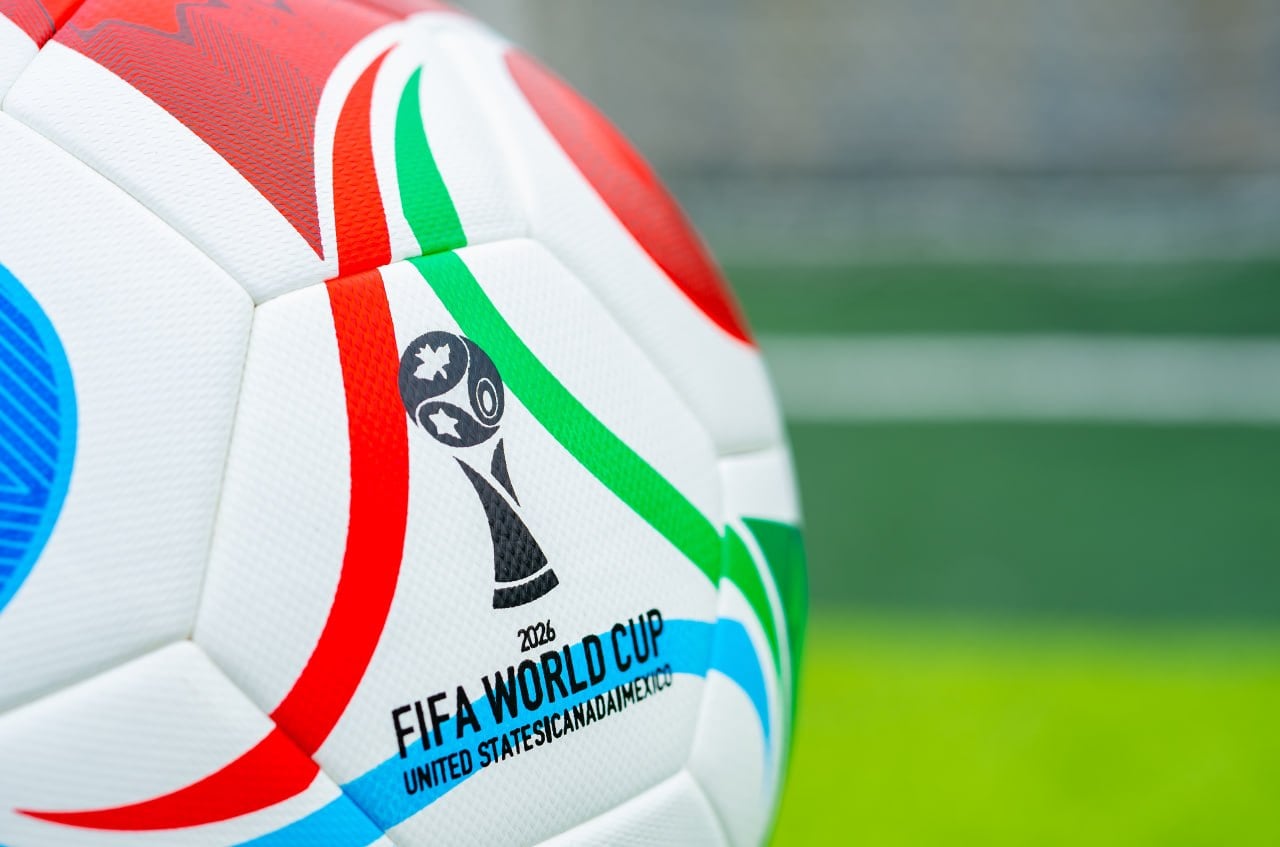
The 2026 World Cup will be hosted across the United States, Mexico, and Canada. The tournament kicks off on June 11 at the Estadio Azteca in Mexico City.
The survey, titled “Finance Scoreboard: How Football Affects the Finances of Brazilians,” paints a detailed picture of how the tournament will impact household budgets across the country.
Among the findings, 26% of respondents said they are already carrying debt ahead of the competition. A further 47% expect their expenses to rise during the event.
Indebted Brazilians Far More Likely to Gamble
Researchers found a strong link between debt and betting behavior. According to the data, 79% of indebted Brazilians plan to place bets during the World Cup. Among those without debt, the figure drops to 48%.
That means indebted individuals are roughly 1.6 times more likely to gamble than debt-free respondents. The pattern raises concerns among financial experts.
Among those willing to take on new debt to enjoy the tournament, 36% cited the rarity of the event. They said the World Cup only happens every four years, which justified borrowing.
Younger Brazilians showed even higher willingness to spend. A total of 89% of younger respondents said they expect extra expenses tied to the games.
For the 18-24 age group, 70% plan to use betting platforms or pools. That compares to 56% for the broader survey sample.
The survey also revealed that 25 million Brazilian CPFs have been used for betting. Each CPF holds an average of at least four betting accounts, pushing the total past 100 million accounts nationwide.
30% of Brazilians See Betting as Income
Perhaps the most concerning finding is that 30% of respondents view betting as an additional income source. Of that group, 31% plan to use gambling profits to cover World Cup-related expenses.
Another 15% said they intend to use betting winnings to pay off existing debts.
Guilherme Casagrande, a financial educator at Creditas, cautioned against this mindset. He said it is “very dangerous to consider betting as a source of additional income.” He added that Brazil was the country where the most money was spent on betting in 2024.
The belief that betting can serve as income is especially common among younger and indebted respondents, at 48% and 44% respectively.
Casagrande also noted that people in difficult financial situations tend to ignore risk. He said gamblers often think a bet might work out, and if it doesn’t, the only consequence is more debt they already had.
Felipe Schepers, COO of Opinion Box, offered another perspective. He said gamblers often believe they didn’t spend money on the World Cup, when in reality their profits simply funded those expenses.
The survey found that 74% of respondents plan to spend money during the tournament. Of those, 80% admitted the spending would likely be spontaneous and unplanned.
Food and drinks are expected to make up the largest share of expenses at 51%. Official merchandise accounts for 23%, and private parties make up 20%.
Only 26% of respondents said they have no plans to spend money related to the World Cup. The tournament runs from June 11 through July 19, 2026.
