

TLDR
- Sports law professor José Manssur says betting ads face more criticism than alcohol ads during sporting events, calling this a double standard
- Brazilian retail could lose up to BRL 103 billion in consumer spending to betting platforms in 2024, according to the CNC
- Manssur argues the retail sector’s opposition to betting is partly driven by lost sales revenue, not just public health concerns
- A 2019 national survey found 63.3% of Brazilian school students had consumed alcohol, with 34.6% starting before age 14
- Manssur is calling for a consistent approach to advertising restrictions across both betting and alcohol industries
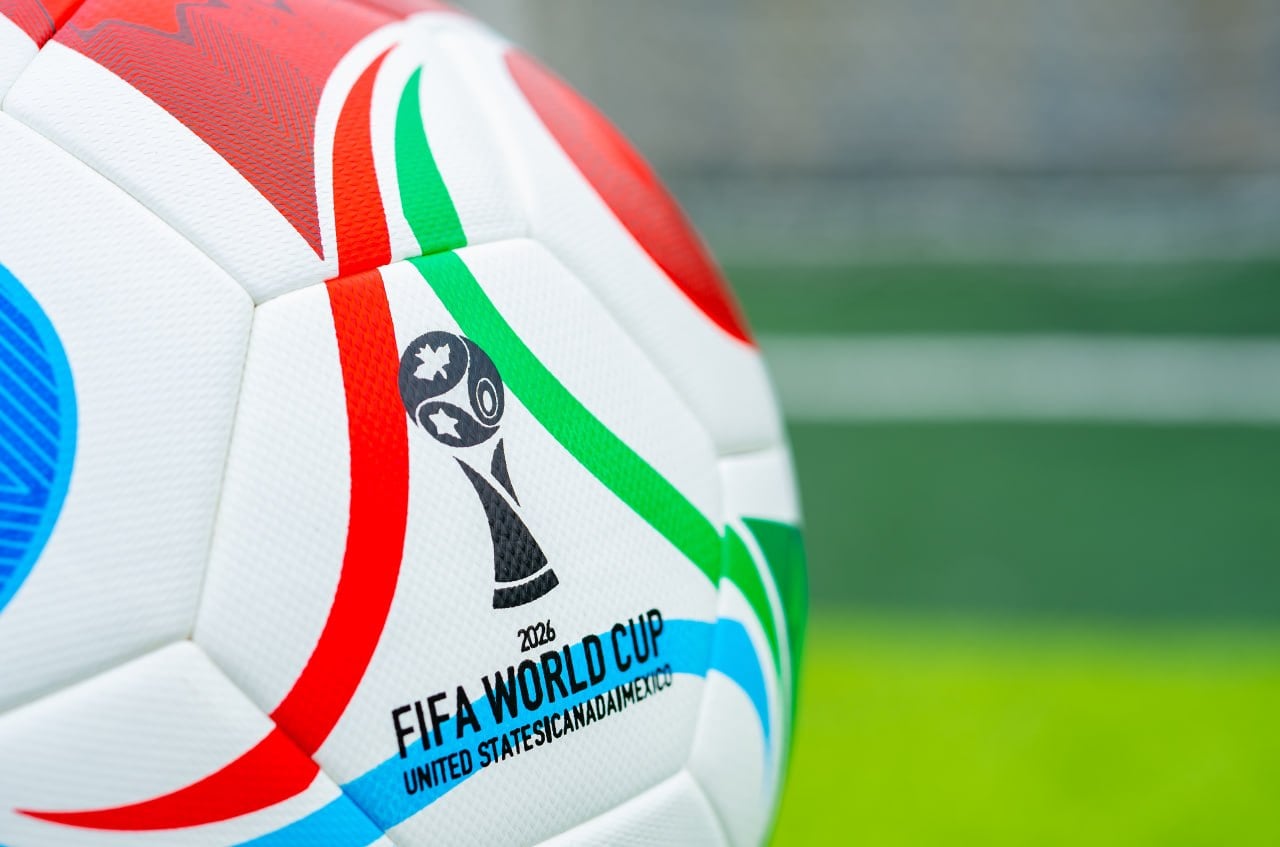
Brazil is heading into the 2026 World Cup with a growing debate over sports betting. The question at the center of it: why does betting advertising face more scrutiny than alcohol advertising?
Sports law professor José Manssur is asking that same question. Writing in Poder360, he pointed out that beer commercials run freely on TV and online, often using football to sell their product. Betting ads, by contrast, have drawn far more public criticism.
Manssur says this inconsistency is worth examining.
The Money Behind the Criticism
Manssur’s argument goes beyond advertising. He suggests that part of the pushback against betting comes from Brazil’s retail sector, which is worried about losing money.
The Confederação Nacional do Comércio (CNC) estimates that Brazilian retail could lose up to BRL 103 billion in consumer spending in 2024 due to the rise of betting platforms.
When people spend money on bets, they spend less at grocery stores, bars, and convenience stores. Manssur says this financial pressure is a key driver of the anti-betting sentiment.
He also pointed out that betting and beer companies are competing for the same consumer spending. Large beer brands, he says, are unlikely to publicly attack betting operators. Instead, the criticism gets channeled through retail industry groups.
“Betting and beer compete in the same market, and the beer industry will hardly start any campaign under its name. Hence, retail appears as a safer option to blame,” Manssur said.
Public Health Is Still Part of the Conversation
Manssur is not dismissing the risks of sports betting. He acknowledges it deserves scrutiny and attention.
But he points to existing data on alcohol’s harm. Brazil’s public health system, the Sistema Único de Saúde, has already recorded the consequences of alcohol abuse across the country.
A 2019 national survey of school students, PeNSE, found that 63.3% had consumed alcohol. More than a third — 34.6% — had their first drink before the age of 14. Another 28.1% had consumed alcohol in the month before taking the survey.
These figures, Manssur argues, show that alcohol’s risks are already well-documented and widely present in Brazilian society.
Calls for a Consistent Standard
Manssur is not calling for a ban on either product’s advertising. His core point is consistency.
If public health is the standard used to restrict betting ads, he says, then that same standard should apply to alcohol advertising.
Brazil has passed betting legislation recently, and regulators are still studying its social and economic effects. The broader advertising debate is ongoing.
“If the criterion is public health, the advertisement of betting cannot be regarded as a danger to humanity, whereas advertisements about alcohol consumption are an integral part of World Cup culture,” Manssur concluded.
The debate is likely to continue as the World Cup draws closer and betting activity in Brazil keeps rising.
