

TLDR
- Dave Yeager developed a gambling addiction after finding a slot machine room on a US military base in South Korea in 2001
- The Army Recreation Machine Program runs nearly 1,900 slot machines across 79 overseas locations, earning over $100 million a year at its peak
- Service members are twice as likely as civilians to develop gambling problems, and roughly 40% of veterans in treatment have attempted suicide
- The FY 2026 Defense Appropriations Act includes the first ever federal funding to study gambling addiction in the military
- Funding decisions from the Peer Reviewed Medical Research Program are expected in early to mid 2027
Dave Yeager arrived at a US military base in Yongsan, South Korea, shortly after 9/11. He was tired and stressed after leaving his wife and two children back home.
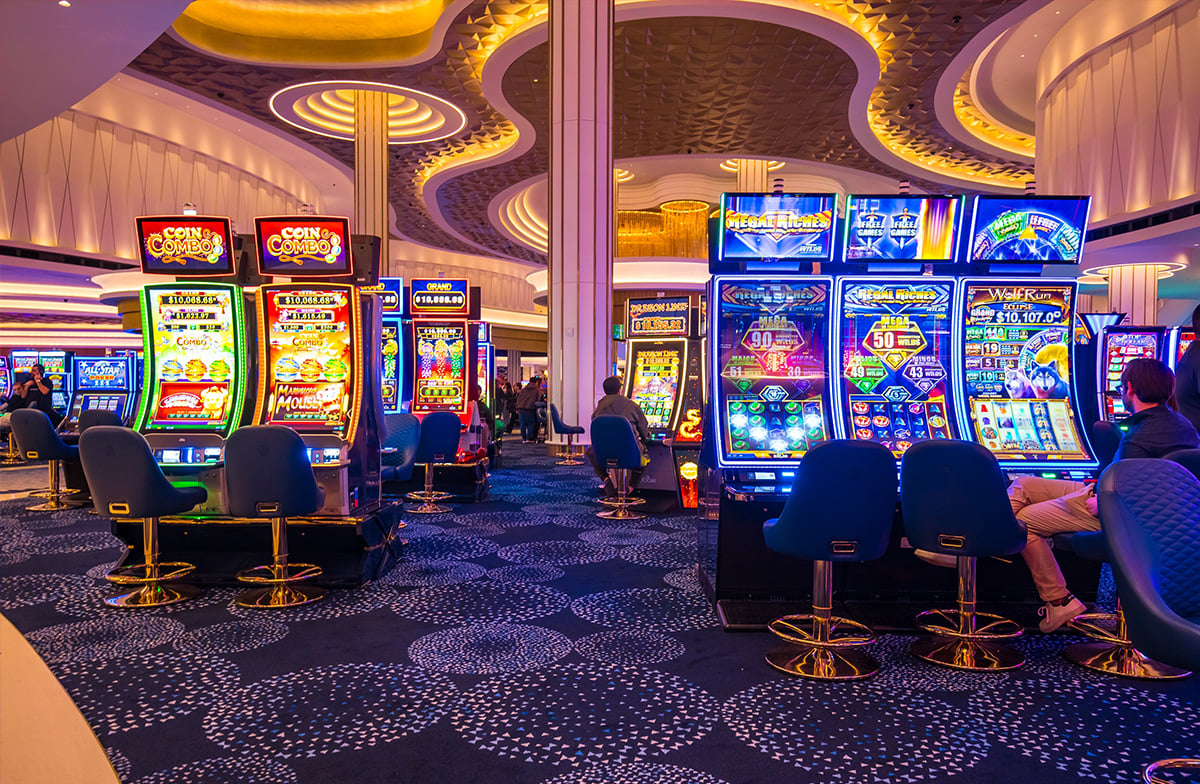
That first night, he found a slot machine room tucked inside the base. Gambling devices are banned on domestic US bases, so the discovery caught him off guard.
Yeager played that night expecting to spend a little money and go home. Instead, the win he had that night planted a seed that grew into years of addiction.
Overseas Bases Host Slot Machines
Congress banned gambling machines from bases in the United States back in 1951. Overseas bases are different.
The Army Recreation Machine Program runs slot machines for the Army, Navy, and Marine Corps. The Air Force runs its own version.
Last summer, the program operated close to 1,900 machines across 79 locations, including bases in Germany, Korea, and Japan. At its peak, the program earned more than $100 million a year.
These rooms are not regulated the way state casinos are. Many young service members are exposed to gambling for the first time inside them.
Yeager’s addiction grew after he moved to Busan Naval Base. He was later caught stealing from his unit twice, and gambling ended his military career.
He received an honorable discharge and entered a Veterans Affairs gambling treatment program in 2007. His recovery was not straightforward. He relapsed once, came close to suicide again, and returned to treatment in early 2020.
Research shows service members are twice as likely as civilians to develop gambling problems. Among veterans who seek treatment, close to 40% have attempted suicide.
New Federal Funding for Research
Until recently, the federal government left gambling addiction out of its research priorities. Congress began requiring gambling screening in the military in 2019, but advocates say screening alone is not enough.
The FY 2026 Defense Appropriations Act changes that. It allows funding to study gambling addiction in the military for the first time, through the Peer Reviewed Medical Research Program.
Heather Maurer, executive director of the National Council on Problem Gambling, called the funding an important step forward for a group that has been underserved by research.
Yeager worked with the council on the effort and will sit on the program’s review panel. He described being part of the process as an honor.
The Department of Defense’s research program confirmed gambling addiction studies will be funded through the process. Applications are being reviewed now.
Two information papers detailing recommended projects are expected by the end of March 2027, followed by a second set by the end of May.
Yeager says the military still has a long way to go. He wants a small share of gambling revenue used for education and treatment, rather than removing the machines entirely.
The Pentagon says any member can seek help through Military OneSource, TRICARE, or the InTransition program without facing punishment.
